Rethinking Vinted for calmer buying and selling
Helping users build a more intentional wardrobe through AI-powered wardrobe insights and sustainable shopping
1 Semester University Group Project
UX Designer, Flows
Interactive Prototype
Output
Role
Timeline
The Challenge
Creating more sustainable consumption habit
Vinted has made second-hand shopping more accessible than ever, but our research revealed an unintended consequence: users were often purchasing more clothing instead of making more intentional choices. Rather than replacing fast fashion, second-hand shopping frequently became an addition to existing consumption habits.
Our challenge was to rethink the Vinted experience and explore how digital design could encourage more sustainable clothing habits, not only by extending the life of garments, but by helping users make better purchasing decisions before adding new items to their wardrobe.
Problem Statement
How might we help users make more intentional purchasing decisions and get greater value from the clothes they already own?
Research
User Interview
Semi-structured interviews with Vinted users to understand their shopping habits, motivations, and experiences with buying and selling second-hand clothing. These conversations helped uncover pain points and opportunities that informed the rest of the design process.
Shadowing
To observe authentic user behavior, we shadowed participants while they used Vinted. Watching users interact with the platform in real time revealed behaviors and frustrations that would have been difficult to capture through interviews alone.
Expert Interviews
To broaden our perspective, we interviewed experts with knowledge of sustainable fashion and resale ecosystems. Their insights helped us better understand the wider context surrounding clothing consumption and circular economy practices.
Ecosystem Mapping
We synthesized our research into an ecosystem map illustrating the relationships between buyers, sellers, manufacturers, and the Vinted platform. This exercise helped identify two key opportunity areas that guided our concept development.
Timeline
1
Research
Frame the project, collect context, and identify where second-hand shopping habits and user needs start to diverge.
2
Digital Wardrobe
Explore how a personal wardrobe overview could help users understand what they already own before buying more.
3
User Testing
Test early assumptions with users, focusing on what feels useful, confusing, or unrealistic in the proposed flow.
4
Clothing Sharing
Investigate how sharing garments, preferences, and wardrobe context could create more intentional purchasing decisions.
5
Role Playing
Act out key scenarios to understand buyer, seller, and platform perspectives before locking in the experience direction.
6
Reframing
Shift the project from simply making resale easier toward helping users make more deliberate wardrobe decisions.
7
Vinted Wardrobe
Bring the final concept together as a wardrobe-led feature that connects owned items with future purchases.
Concepts that were considered
Digital wardrobe + probes
1
Does overview alone activate unused clothes?
Do computer-generated suggestions help?
Finding: users liked the idea of an overview, but the effort of registering all their clothes wasn't worth it to them
Interactive “shame bag”
A speculative concept designed to provoke guilt about unused clothing, tested via storyboard
2
Community swap
3
Users could lend/borrow from each other's wardrobes
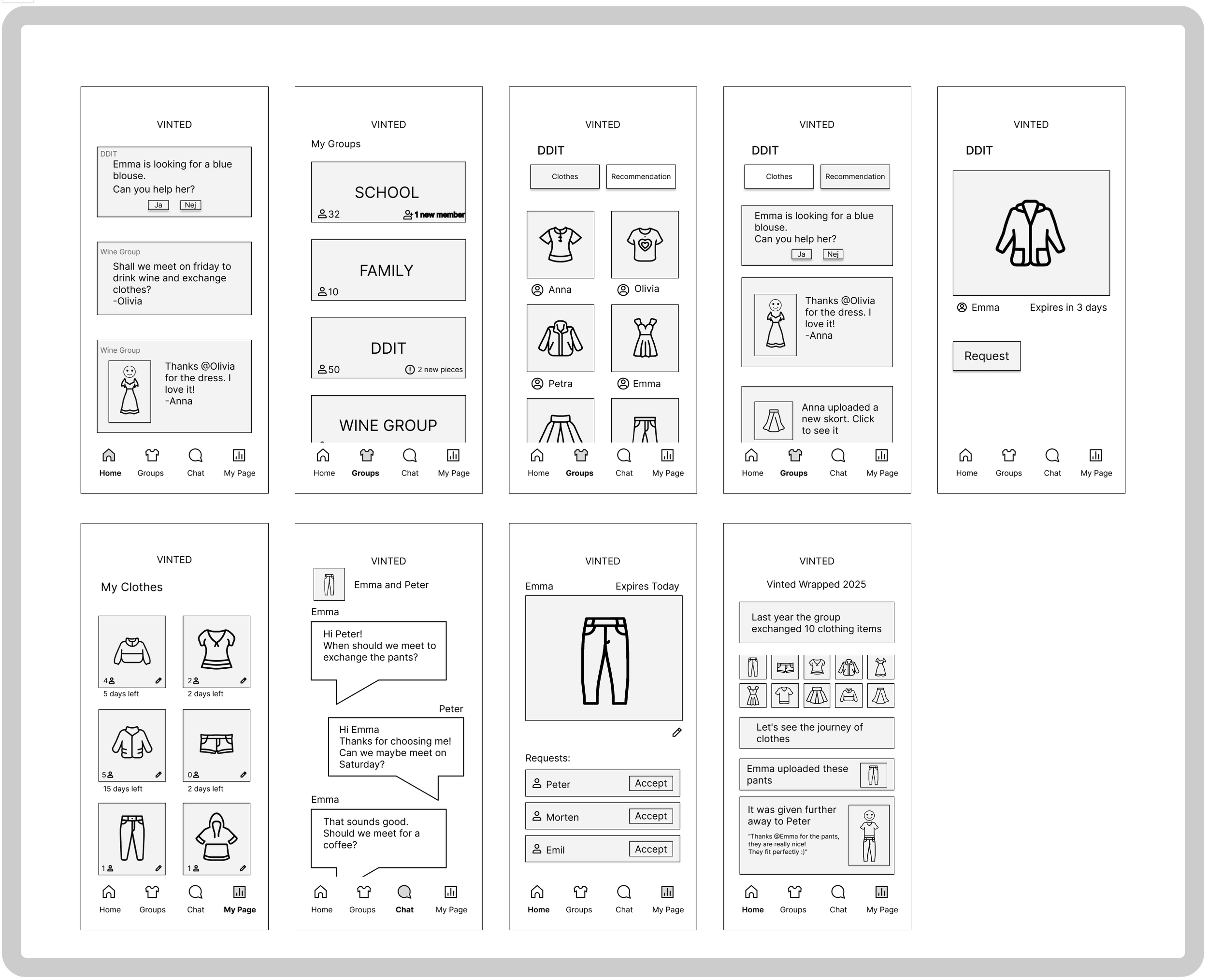
Finding: users were skeptical because clothing has very personal value to people, and many saw their clothes as private. They didn't want to lend or borrow from strangers.
Tests:
Roleplay with low-fi prototypes
Final Solution
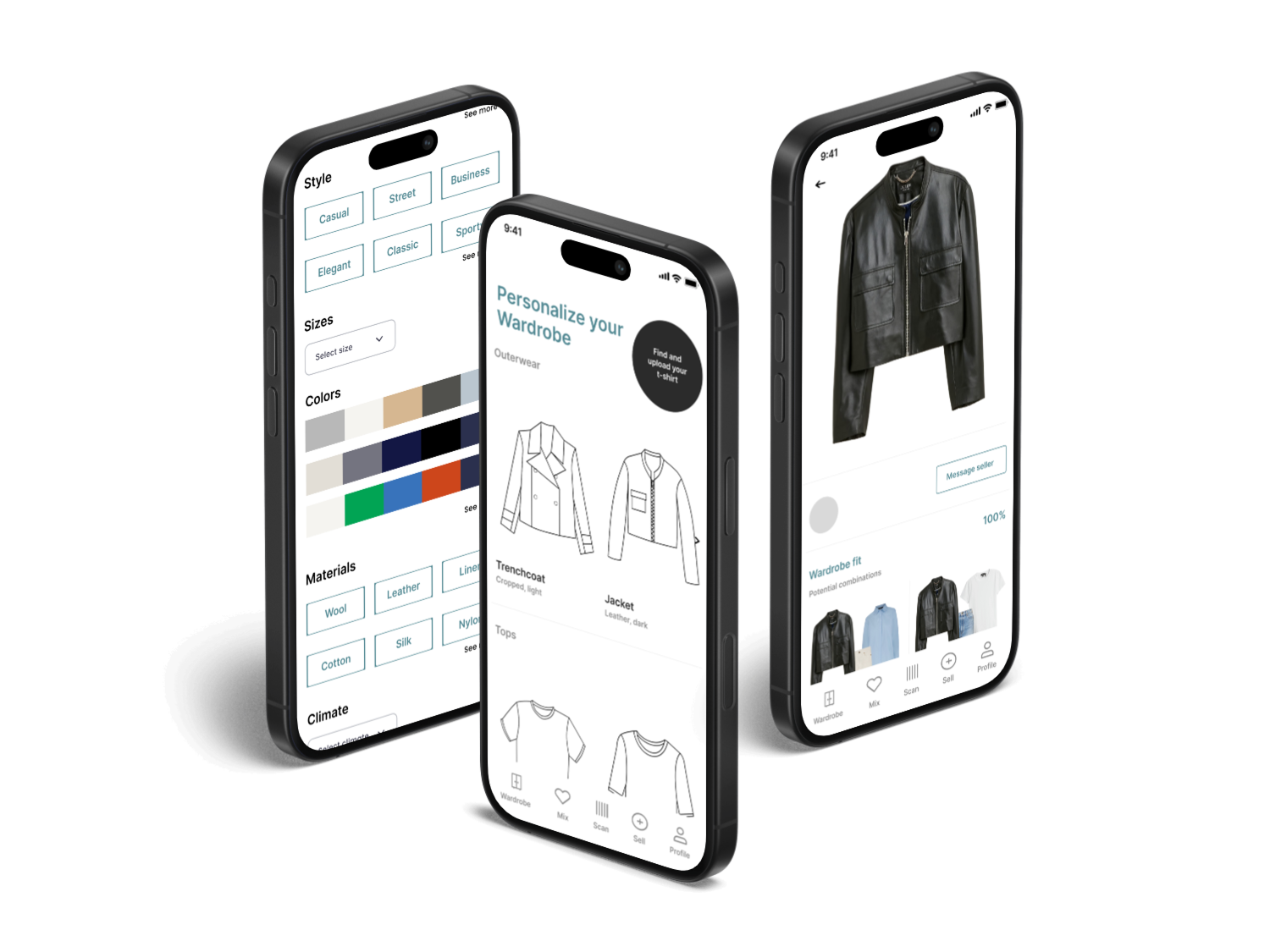
Vinted Wardrobe helps users make more intentional clothing decisions by connecting their existing wardrobe with future purchases
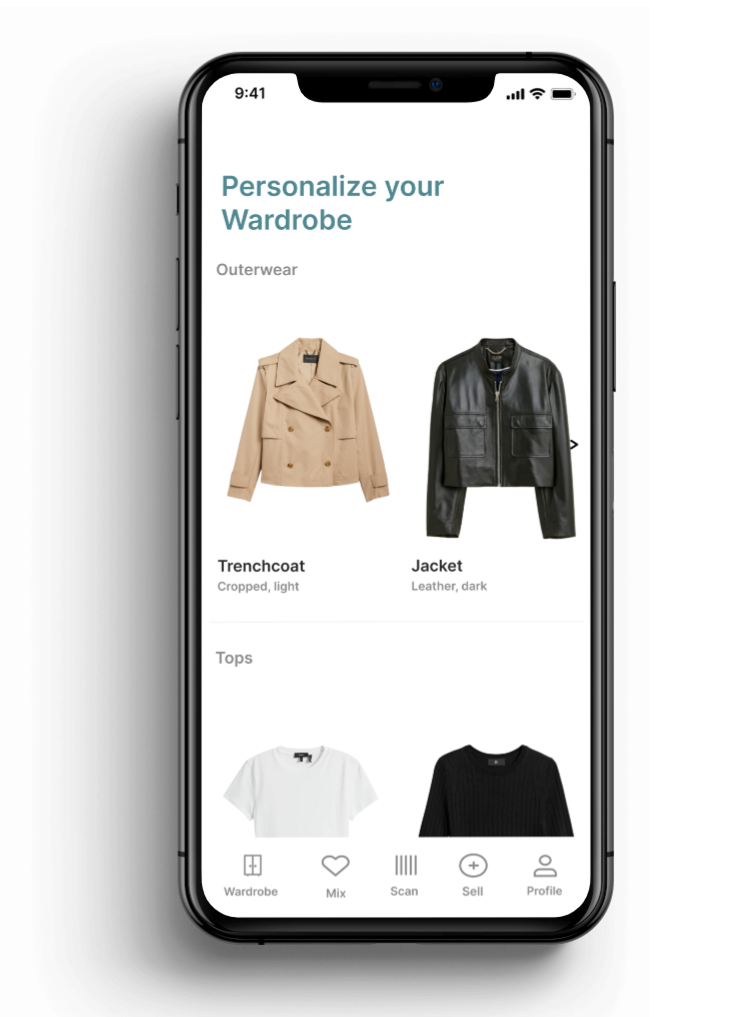
AI-Powered Wardrobe
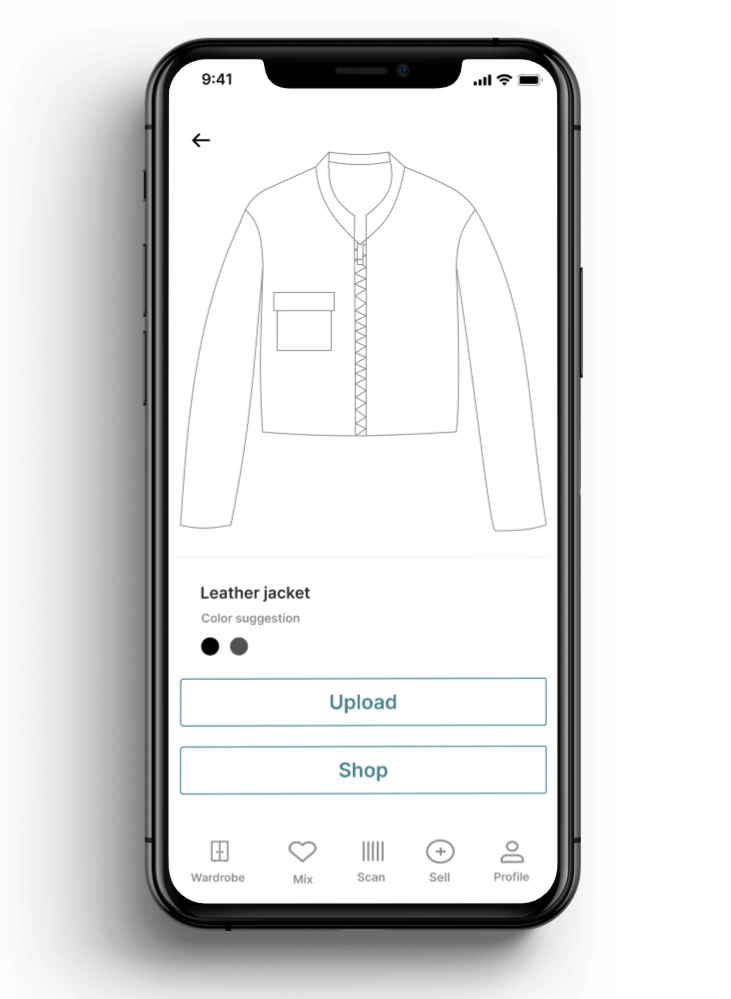
Users can quickly build a digital representation of their wardrobe by photographing their clothing. The wardrobe provides a clear overview of existing garments, making it easier to recognize unused items and avoid duplicate purchases.
Capsule Wardrobe Generator
The application generates outfit suggestions and wardrobe combinations using the user's existing clothing. This helps maximize the value of garments already owned while reducing the desire for unnecessary purchases.
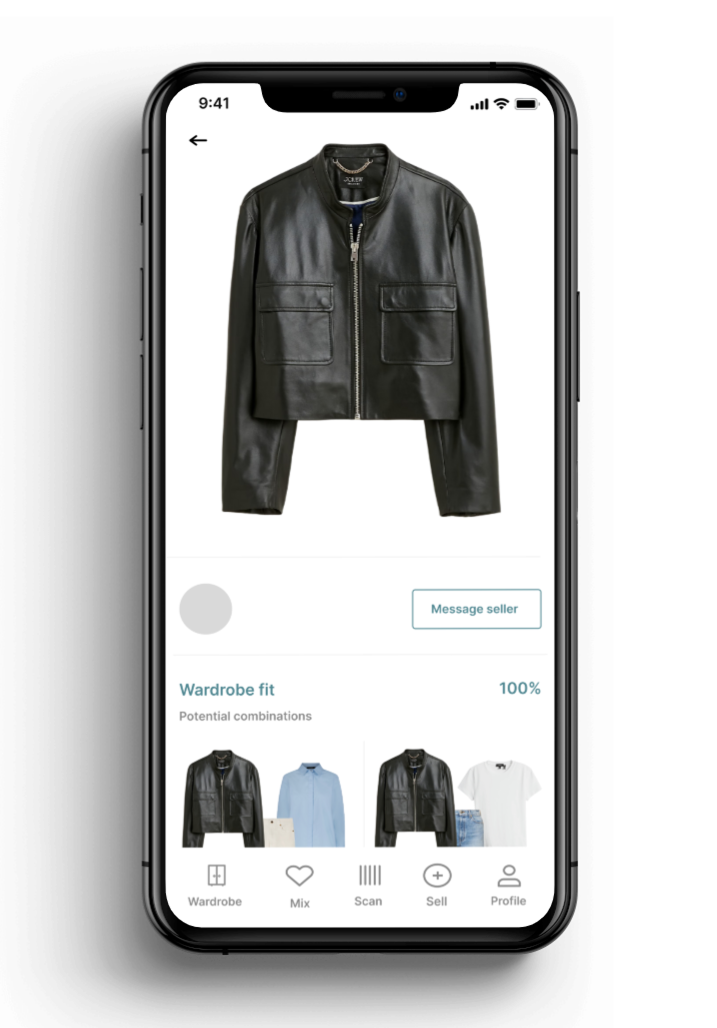
Smart Purchase Suggestions
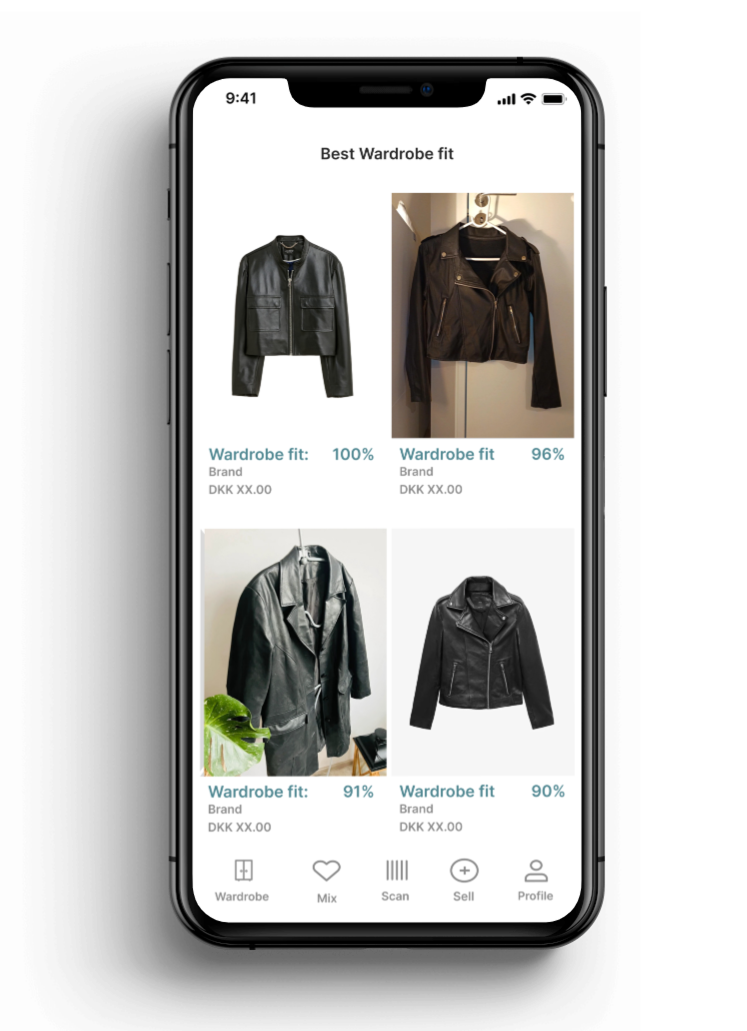
Before purchasing a new item, users receive personalized recommendations based on the clothing they already own. This encourages more thoughtful purchases and helps ensure new items fit naturally into their existing wardrobe.
Reflection
Looking back, this process reinforced how important it is to stay in constant dialogue with the people you're designing for — and to be willing to question your own framing of the problem, even late in the process. Our biggest turning point came from stepping back after two concepts had stalled and realizing we'd been designing around a symptom (inactive clothing) rather than its cause (why people buy clothes they don't end up wearing). That shift in perspective is what ultimately led to Vinted Wardrobe.
User feedback shaped the project more than any other single factor. Two of our early directions, a digital wardrobe overview and a community-based lending concept, both tested reasonably well as ideas, but fell apart under real user scrutiny. The effort of manually logging a wardrobe outweighed the perceived benefit, and people were more protective and particular about their clothes than we expected, which made a swap-based model feel invasive rather than appealing. If we'd started with more participatory methods, like early co-design workshops with our target users, we may have surfaced these tensions sooner.
This project also pushed us to think beyond the interface itself. Designing for a platform like Vinted means designing within a larger system of buyers, sellers, and consumption habits and any solution we propose carries the risk of introducing new, unintended consequences alongside the ones it solves. Vinted Wardrobe is our answer to the problem we identified, but we see it as a starting point rather than a finished solution, and it's something we'd continue to watch closely in future iterations.